
High-Performance Vertical Slider Secondary Glazing for Listed Buildings in Scotland
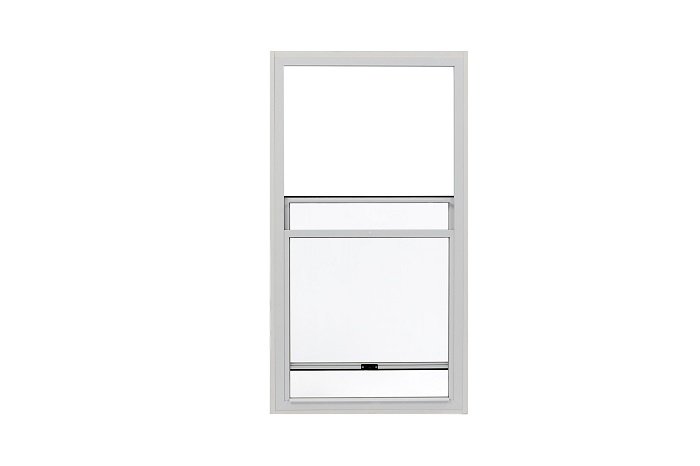
Balanced Vertical Sliding
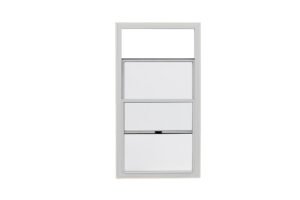
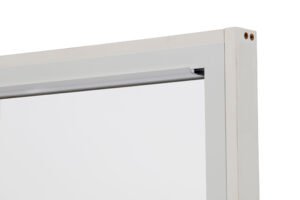
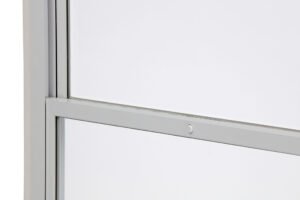
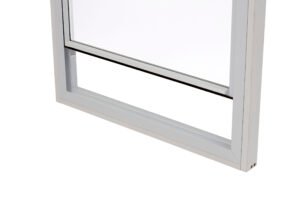
Vertical sliding secondary glazing is designed to work seamlessly with traditional sash windows, providing a discreet internal solution that preserves the character of the original frame. The slim aluminium unit sits neatly within the window reveal and features self-supporting panes that can be securely held at any chosen position, allowing controlled ventilation.
Smooth spring-balance operation ensures ease of use in both commercial and residential settings. The range also incorporates a unique tilt-in facility, allowing each secondary sash panel to be independently released from the outer frame and pivoted inwards through almost 180°, making cleaning and maintenance simple. A slide-past option is available, allowing both panels to fully slide past one another for unrestricted access to the whole secondary glazing unit.
Versatile Design
Suitable for arched and other shaped applications, vertical sliders offer a versatile design to accommodate complex window geometries.
Optimum Noise Reduction
49dB (Rw), when using 6mm toughened primary glazing and 6.8mm acoustic laminate secondary glazing.
Optimum U Value
1.5 W/m²K when using 4mm toughened Low E glazing and 80mm spacing between the primary and secondary window.
Sizes
Note: all sizes are for guidance only, and depend on several factors (including glass and subframe). Units and styles outside of those listed are sometimes possible – please contact us for advice.
Vertical Sliding
| Style | Description | Max Width | Max Height | Max Weight |
|---|---|---|---|---|
| BVS | Balanced vertical slider | 1,575mm | 3,325mm | 45KG |
| TBVS | Tilt-in balanced vertical slider | 1,568mm | 3,025mm | 45KG |
| SPBVS | Slide Past Balanced Vertical Slider | 1,575mm | 3,325mm | 45KG |
Our manufacturer’s Sheffield-based has its own painting plant, allowing you to choose from a comprehensive palette of more than 200 powder-coated RAL colours to achieve a precise match with your Granada secondary glazing system. Suitable for new developments, heritage buildings, and complex commercial environments, our finishes are specified to meet the requirements of each project.
Glass Options
BVS:
| Product Range | Glass Options | Max. Panel Weight (kgs) | Min. Panel Weight (kgs) | Min. Upper Panel Size (mm) | Min. Lower Panel Size (mm) | Max. Panel Size (mm) | Max. Panel | ||||
|---|---|---|---|---|---|---|---|---|---|---|---|
| Width | Height | Width | Height | Width | Height | Area m² Must not Exceed | Aspect Ratios Max Width to Height Ratio | ||||
| Classic | 4.0mm tough | 15 | 2 | 175 | 240 | 175 | 175 | 1500 | 1800 | 1.5 | 1.5 : 1 |
| Enhanced | 6.0mm tough | 45 | 2 | 175 | 240 | 175 | 175 | 1500 | 1800 | 2.7 | 1.5 : 1 |
| Enhanced | 6.4mm Laminate | 45 | 2 | 175 | 240 | 175 | 175 | 1500 | 1800 | 2.7 | 1.5 : 1 |
| Enhanced | 6.8mm Laminate | 45 | 2 | 175 | 240 | 175 | 175 | 1500 | 1800 | 2.6 | 1.5 : 1 |
| Enhanced | 8.8mm Laminate | 45 | 2 | 175 | 240 | 175 | 175 | 1500 | 1800 | 2.0 | 1.5 : 1 |
| Enhanced | 10.8mm Laminate | 45 | 2 | 175 | 240 | 175 | 175 | 1500 | 1800 | 1.7 | 1.5 : 1 |
Installation Options
BVS:
| Product Range | Glass Options | Max. Window Size (Including 16mm Timber) | Installation Options | |||||||
|---|---|---|---|---|---|---|---|---|---|---|
| Width (mm) | Height (mm) | Area (m²) | Face Fix Through Timber | Reveal Fix Through Frame | Reveal Fix Through Timber | Optional Deep Reveal Fix Through Timber | Bevels | Specials | ||
| Classic | 4.0mm tough | 1575 | 3025 | 3.0 | TIM-43×16 | TIM-43×16 | TIM-62×16 | TIM-70×16 | TIM-62×50 | TIM-90×90 |
| Enhanced | 6.0mm tough | 1575 | 3325 | 6.0 | TIM-43×16 | TIM-43×16 | TIM-62×16 | TIM-70×16 | TIM-62×50 | TIM-90×90 |
| Enhanced | 6.4mm Laminate | 1575 | 3325 | 5.6 | TIM-43×16 | TIM-43×16 | TIM-62×16 | TIM-70×16 | TIM-62×50 | TIM-90×90 |
| Enhanced | 6.8mm Laminate | 1575 | 3325 | 5.3 | TIM-43×16 | TIM-43×16 | TIM-62×16 | TIM-70×16 | TIM-62×50 | TIM-90×90 |
| Enhanced | 8.8mm Laminate | 1575 | 3325 | 4.1 | TIM-43×16 | TIM-43×16 | TIM-62×16 | TIM-70×16 | TIM-62×50 | TIM-90×90 |
| Enhanced | 10.8mm Laminate | 1575 | 3325 | 3.3 | TIM-43×16 | TIM-43×16 | TIM-62×16 | TIM-70×16 | TIM-62×50 | TIM-90×90 |
Technical Information
To view the coupling guide and other documents available, please go to our technical downloads section.
Other Secondary Glazing Options

Fequently Asked Questions
I have windows in varying sizes and shapes, is secondary glazing appropriate?
Our secondary glazing units are made to order, allowing bespoke sizes and colours to suit any window. Frames can be bent or arched in-house to match any shape, style, or opening. Custom manufacturing also allows units to align precisely with transoms and mullions, minimising sightlines for a discreet appearance. For larger windows, single units can be stacked or coupled to achieve full coverage without compromising performance or aesthetics.
Which glass type should I choose?
Secondary glazing is typically specified to address two main challenges: acoustic or thermal performance. Alongside the air cavity, the type of glass chosen plays a crucial role in resolving these issues.
All our units are manufactured as standard with 4mm toughened glass, offering enhanced security and safety. Unlike some providers who use float glass, which can shatter dangerously, toughened glass minimises risk and meets high safety standards.
We offer a range of glass types, carefully selected for optimal performance, including variations in thickness and coatings.
Acoustic performance:
When installed with an air cavity of 150–200mm, the correct glass can reduce noise by up to 80% (54 dB). Typical traffic noise can often be managed with 6.4mm or 6.8mm clear acoustic glass, while louder environments may require 8.8mm acoustic glass for maximum sound reduction.
Thermal performance:
Draughts through primary windows can make spaces uncomfortable and increase energy costs. For improved thermal efficiency, we recommend 4mm, 6mm, 6.4mm, or 8.8mm toughened Low-E glass, which reflects heat back into the room, keeping interiors warmer in winter and cooler in summer.
The choice of glass can affect the overall cost. We advise speaking directly with our team to ensure the specification is tailored to your requirements, delivering both practical performance and cost efficiency without unnecessary over-specification.
What depth of air gap is best for my windows?
Secondary glazing offers a range of benefits, including up to 80% reduction in noise (54 dB) and a 65% decrease in heat loss. A small air cavity between the primary window and the secondary glazing plays a vital role in both acoustic and thermal performance. The recommended cavity varies depending on the issue you are addressing.
Acoustic performance:
For optimal noise reduction, we advise an air cavity of 150–200mm. This reveal-fix installation positions the secondary glazing within the window reveal and, when combined with clear acoustic glass in 6.4mm, 6.8mm, or 8.8mm thicknesses, can reduce sound by up to 80% (54 dB).
Thermal performance:
For improved energy efficiency, we recommend a face-fixed installation with an air cavity of up to 80mm. When combined with Low E glass, this can reduce heat loss by up to 65%, keeping interiors warmer in winter and cooler in summer.
Our team can advise on the most suitable glass, cavity, and installation method, providing a tailored solution to meet your specific acoustic or thermal requirements.
Contact us now on 07584 699685 for more information.